


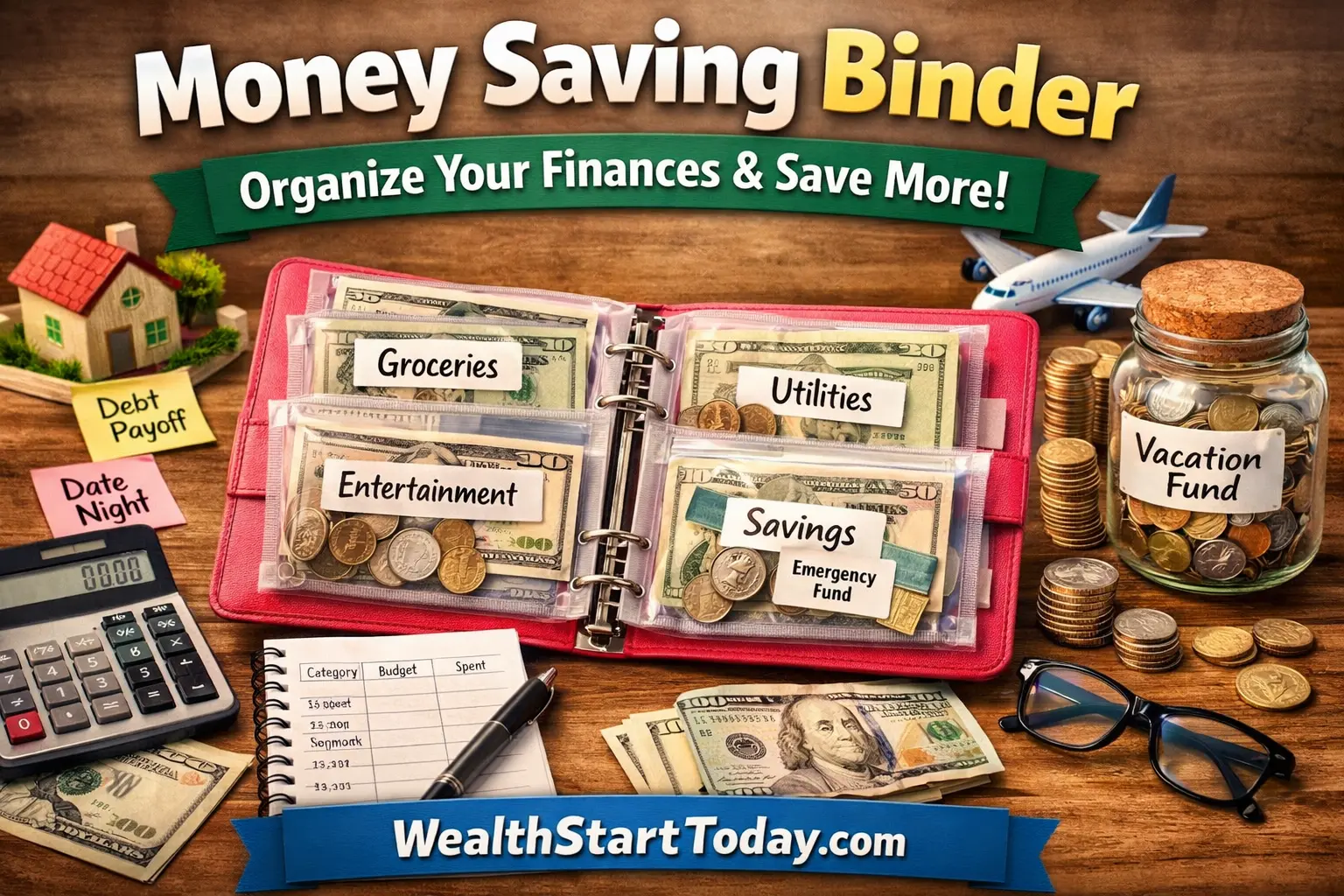
In today’s fast-paced financial world, smart money management is more crucial than ever. The money saving binder is one of the most useful and effective tools for saving and creating a budget. People can keep track of their spending, manage their money, and maintain discipline with their financial objectives using this straightforward yet incredibly powerful approach. A money-saving binder can change your financial situation, whether your goal is to reduce debt, accumulate savings, or just manage your expenditures.
In order to make sure that every dollar has a purpose, a money-saving binder divides your money into sections, frequently utilising envelopes. This approach is particularly beneficial for those who have trouble controlling their expenditures or don’t have a defined budget. Physically handling your money makes you more conscious of your spending habits, which inevitably results in wiser financial choices.
We will go over all you need to know about a money-saving binder in this extensive guide, including how it functions, how to make one, and how to utilise it successfully for long-term financial success.
What is a Money Saving Binder and Why It Matters
Understanding the Money Saving Binder System
A money saving binder is a useful and practical budgeting tool that helps people better manage their money. It divides money into distinct categories including groceries, rent, utilities, entertainment, and savings using actual sections or envelopes. You can clearly and methodically arrange your spending because each category reflects a share of your revenue. This approach emphasises tangible money management, which makes it simpler to be conscious of your financial condition, in contrast to computerised tools that can occasionally feel abstract.
The methodology is based on the conventional envelope budgeting approach, in which each category is given a set sum of money. Spending in that category ceases until the following budgetary cycle once the allotted funds have been expended. Over time, this restriction helps you stay focused on your priorities by organically fostering discipline, decreasing impulsive expenditures, and encouraging better financial decision-making.
Benefits of Using a Money Saving Binder
A money-saving binder is an effective tool for enhancing financial practices because of its many advantages. Its visual clarity, which enables you to rapidly understand how much money is left in each category at any given time, is one of its greatest benefits. You can prevent unforeseen financial difficulties and make well-informed spending decisions thanks to this transparency. Because you are dealing with actual money and can easily see the boundaries of your budget, it also has the important advantage of cutting down on wasteful spending. This frequently results in more deliberate shopping.
Additionally, by letting you put money aside in special savings envelopes, the method encourages persistent saving. This develops a solid saving habit over time without the need for intricate tactics. A money-saving binder is simple, uncomplicated, and quick to maintain when compared to digital apps or spreadsheets, which makes it particularly appropriate for novices looking for a dependable and efficient budgeting technique.
How to Create a Money Saving Binder Step by Step
Choosing the Right Supplies for Your Money Saving Binder
Choosing the appropriate materials to complement your budgeting method is the first step in making an efficient money-saving binder. Start with a strong, long-lasting binder that can hold several parts without tearing or deteriorating over time. Use zip pouches or clear plastic envelopes within the binder to securely store your money while maintaining the visibility and organization of each area. Additionally, labels or dividers are crucial since they provide the rapid and effective separation and identification of various expense categories.
To make the procedure more fun and interesting, many people decide to customise their binder in addition to the essentials. Budgeting can be made more enjoyable by incorporating decorative features like colours, stickers, or themed designs. Motivation and consistency might rise when your binder is a reflection of your personality. In the end, using useful yet aesthetically pleasing materials makes your cost-saving binder both useful and pleasurable to use on a regular basis.
Setting Up Categories in Your Money Saving Binder
One of the most important steps in creating a money saving binder that actually meets your needs is creating categories. Determine your primary spending categories, such as groceries, transportation, utilities, rent, eating out, entertainment, and savings. Your own lifestyle, income level, and financial priorities should all be reflected in these areas. Don’t exactly duplicate someone else’s system because your costs and objectives can be very different.
After you have established your categories, carefully label each envelope and arrange them inside your binder. To preserve clarity and prevent confusion later on, organization is essential at this point. Additionally, it’s critical to maintain workable and realistic classifications rather than ones that are too specific or constrictive. Over time, it is easier to retain categories that are straightforward and useful. You may establish an organised system that encourages smarter spending choices and long-term financial discipline by properly organising your categories.
Allocating Money into Your Money Saving Binder
Allocating funds to each envelope in accordance with your financial circumstances is the next step after creating your categories. Start by figuring out how much money you make each month and determining your necessities, including rent, utilities, and groceries. To make sure your essential needs are met, you should constantly prioritise funding these necessities. The remaining money should then be divided among other categories, such as savings, dining, and recreation.
Assigning reasonable amounts that complement your spending patterns and promote improved financial discipline is crucial. Your system may be disrupted if you overestimate your savings or underfund essential expenses. For this approach to be successful, consistency is essential. At the beginning of every budgeting cycle, refill your envelopes and keep a close eye on your expenditures. Maintaining a balanced and sustainable approach to financial management, staying in control, and making necessary adjustments are all made possible by this habit.
Best Strategies to Use a Money Saving Binder Effectively
Tracking Expenses
A key component of a highly successful money-saving binder is keeping track of your spending. Every time you spend money, take a moment to note the transaction in a specific tracking sheet or log inside your binder. This easy practice helps you maintain control over your financial decisions by increasing awareness and accountability. You may get a clear picture of where your money is going on a daily and monthly basis by regularly recording your expenses.
This record shows trends in your expenditure over time, including areas where you might be overspending or pointless purchases. You may make better decisions and modify your habits by being aware of these tendencies. Additionally, it strengthens discipline by making you more considerate before making purchases. In the end, keeping track of your spending turns your binder from a simple tool into an effective strategy that promotes improved long-term stability and financial management.
Avoiding Common Mistakes
Even though a money-saving binder is straightforward and useful, success depends on avoiding typical blunders. Setting unrealistic budgets that are too stringent or out of step with your actual income and lifestyle is a common mistake. This frequently causes annoyance and makes it more difficult to stick with the method over time. Failing to regularly document spending is another significant error that diminishes the binder’s efficacy and undermines its goal. It becomes challenging to comprehend your spending patterns and pinpoint areas for improvement without adequate tracking.
Mixing categories can also cause confusion and interfere with your financial system. Money should not be moved between envelopes without considerable thought; each envelope should have a distinct and well-defined purpose. Your binder will stay dependable, well-organised, and useful in helping you make better financial decisions and develop better money habits if it is kept clear and structured.
Staying Consistent with Your Money Saving Binder
The secret to a money-saving binder’s long-term success is consistency. You may maintain organization and financial awareness by creating a schedule for updating your binder. You may stay on track and stop little problems from growing into bigger ones by setting aside time each week to analyse your expenses, refill envelopes, and make adjustments.
Additionally, since unforeseen costs may occur, it’s critical to maintain discipline while remaining adaptable. Having specific and significant financial goals will help you stay motivated, which can be difficult at times. These objectives provide you direction and a feeling of purpose, whether you are saving for a trip, paying off debt, or creating an emergency fund. You establish a long-lasting habit that promotes stability and long-term financial success by regularly interacting with your binder and reminding yourself of your goals.
Advanced Tips to Maximize Your Money Saving Binder
Combining a Money Saving Binder with Digital Tools
Although a money saving binder is a very useful physical budgeting tool, its effectiveness can be greatly increased when combined with digital tools. You can still have direct control over cash management while getting a better picture of your financial status by including budgeting tools or spreadsheets.
While digital tools enable you to monitor long-term goals, examine trends, and analyse your financial habits, the binder helps you maintain discipline with daily spending by restricting you to actual currency. This combination results in a well-rounded strategy that promotes convenience and responsibility. You may swiftly assess your development, pinpoint areas in need of development, and make wise choices. In the end, combining conventional and contemporary techniques guarantees that your budgeting system is both useful and flexible, assisting you in being consistent while retaining complete control over your funds in a world that is becoming more and more digital.
Creating Savings Challenges in Your Money Saving Binder
One innovative and inspiring strategy to improve your finances is to include savings challenges in your money-saving binder. These difficulties turn saving money from a boring chore into a fun and fulfilling experience. You can create unique envelopes for various tasks, including a monthly contribution target, a 52-week savings plan, or even customised targets depending on your financial goals.
You create momentum and strengthen sound financial practices every time you contribute money to these envelopes. Your binder’s visual progress can be very motivating, urging you to maintain your dedication and consistency. Even modest, consistent donations can add up to significant savings over time. This approach helps you keep focused on your long-term financial goals without feeling constrained or overburdened by adding a fun element to budgeting while simultaneously strengthening your discipline.
Adjusting Your Money Saving Binder for Life Changes
Since financial situations might alter at any time, a money-saving binder should never be a strict regimen. To keep your binder functional, you must modify it to reflect these changes. You can invest in new financial objectives or raise your savings contributions when your income rises. However, you should update your budget categories if your spending alter as a result of crises, additional obligations, or changes in your lifestyle.
Your system can remain in line with your present goals and needs thanks to this flexibility. Maintaining your binder as a trustworthy financial tool requires regular reviews and adjustments. You can keep control of your finances, save needless worry, and create a budgeting system that helps you confidently and steadily navigate every stage of life by being adaptable.
Why Wealth Start Today Recommends a Money Saving Binder
Practical Financial Guidance from Wealth Start Today
At Wealth Start Today, we believe that simple systems can create powerful financial results. The money saving binder is one of the most practical tools for anyone looking to gain control over their finances. It aligns perfectly with our mission to help individuals build smarter money habits and achieve financial independence.
On our website, you can find more in-depth guides, budgeting strategies, and saving tips tailored to different financial situations. Whether you are a beginner or someone looking to refine your financial plan, Wealth Start Today offers valuable resources to support your journey.
How a Money Saving Binder Fits into Smart Money Management
A money saving binder is not just a budgeting tool; it is a mindset shift. It encourages intentional spending and disciplined saving, which are essential for long-term financial success. By incorporating this system into your routine, you take a significant step toward achieving your financial goals.
Real-Life Examples of Using a Money Saving Binder
Saving for Emergency Funds
A money saving binder is a great way to gradually accumulate a trustworthy emergency fund. You can prepare for life’s uncertainties in an organised and deliberate manner by designating a specific envelope for unforeseen circumstances. Your financial safety net is strengthened each time you put money to this category, making it simpler to deal with unforeseen costs like urgent home repairs, medical emergencies, or car upkeep. Because even little, consistent payments can add up to a sizable reserve, this approach encourages constancy.
Furthermore, keeping a visual record of your savings within the binder will boost your motivation and strengthen sound financial practices. You may rely on money you’ve previously set aside in an emergency rather than using credit cards or taking out a loan. In the end, this promotes long-term financial stability and peace of mind by lowering financial stress and assisting you in keeping budgetary control.
Paying Off Debt Using
Repaying debt using a money saving binder is a useful and empowering way to take back control of your finances. You can consciously allocate additional dollars to lowering your debt by setting up a particular category or envelope for debt payments. You may prioritise your debts and make steady progress over time with this methodical technique.
Every payment, no matter how tiny, moves you one step closer to paying off your debt. The visual depiction of your progress is one of this method’s most potent features, and it may be a tremendous source of motivation to remain dedicated. It promotes discipline and accountability to see your allotted funds increase and your debt decrease.
Additionally, by clearly dividing funds intended for responsibilities from regular expenses, this strategy aids in preventing overspending. Over time, this methodical approach not only lessens financial strains but also boosts self-esteem and promotes better money management practices going forward.
FAQs
What is a money saving binder used for?
By classifying funds, a money-saving binder helps manage expenditures, precisely track expenses, and establish long-term, regular saving habits.
Is a money saving binder better than budgeting apps?
For those who would rather do their own budgeting, a money-saving binder is ideal. Apps are convenient, but using real money raises awareness, strengthens self-control, and promotes more conscientious purchasing.
How much money should I put in my money saving binder?
The sum is determined by your earnings and outlays. After paying for necessities, divide the remaining funds according to priorities between savings, grocery, and personal expenditures.
Can beginners use a money saving binder?
Indeed, a money-saving binder is ideal for novices since it is straightforward, useful, and simple to follow, making budgeting less daunting and more efficient right away.
Conclusion
An efficient and useful tool for improving your personal financial management is a money-saving binder. You may build a visual and organised system that encourages conscious spending by breaking your money up into several categories, such as food, bills, savings, and personal costs. By tracking your spending and making sure that every expense is in line with your financial priorities, this method promotes discipline. Using a binder system over time will greatly improve your spending patterns and cut down on pointless expenditures.
A money-saving binder facilitates long-term financial planning in addition to helping you manage daily spending. Whether you’re saving for a big purchase, paying off debt, or creating an emergency fund, it enables you to set reasonable goals. This system’s flexibility lets you modify categories according to your evolving requirements and financial circumstances, and its simplicity makes it easy to maintain.
The secret to the effectiveness of this approach is consistency. You gain greater financial responsibility and understanding by maintaining your budget and updating your binder on a regular basis. In the end, a money-saving binder is a step toward stability and financial independence rather than merely an organising tool. You may confidently work toward reaching your financial objectives and building a secure financial future with commitment and the appropriate approach.
For more expert financial tips and strategies, visit Wealth Start Today and explore our Saving Money category at Wealth Start Today.
Here are investment related relevant articles: Money Saver Mini Storage: The Ultimate Guide, Community Choice Aggregation Save Money: A Complete Guide and Cash Saving Money Box: Smart Ways to Save Money.













Leave a comment