


Building a new home allows you to choose the location, design, layout, materials, and features that fit your needs. However, financing a home that has not been built yet can work differently from financing an existing property. A Construction Loan is one option that can help cover eligible costs during the building process.
Construction loans are generally designed as short-term financing for building or substantially improving a home. Instead of necessarily receiving the full loan amount at once, borrowers may receive funds in stages as construction progresses. The exact interest rate, fees, repayment terms, and approval requirements depend on the lender and loan program.
Before applying, it is important to understand how construction financing works, what it may cost, what lenders typically look at, and what happens when construction is finished.
What Is a Construction Loan?
A Construction Loan is financing used to help pay for the costs associated with building a new home or, depending on the program, completing major construction or improvements.
Unlike a traditional mortgage used to purchase an existing home, construction financing is provided while the property is still being built. Because the lender is financing an unfinished project, the application may require additional information such as building plans, a construction budget, contractor details, and an estimated timeline.
The Consumer Financial Protection Bureau (CFPB) explains that construction loans are generally short-term loans and that the money may be provided through multiple advances as construction progresses.
How Construction Loans Differ From Regular Mortgages
A traditional mortgage is generally secured by an existing property. Construction financing, however, is associated with a project that is still under development.
As a result, the lender may consider factors such as:
- The borrower’s financial profile
- The proposed construction budget
- Building plans and specifications
- The contractor or builder
- The estimated value of the completed property
- The expected construction timeline
This additional project evaluation is one reason construction financing can have different terms from a standard mortgage.
How Does a Construction Loan Work?
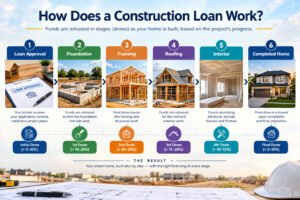
The exact process varies between lenders and loan programs, but the process commonly involves several stages.
1. Create a Construction Plan
Before applying, you should have a clear idea of what you intend to build. This may include architectural plans, estimated construction costs, information about the land, the expected timeline, and details about your contractor.
A detailed plan gives the lender a clearer picture of how much financing you need and how the money will be used.
2. Apply for Construction Financing
After preparing your project information, you can submit an application to a lender.
The lender may review your:
- Income
- Employment
- Credit history
- Assets
- Existing debts
- Down payment or available funds
- Construction budget
- Property information
The lender may also evaluate the proposed construction project and its expected completed value.
3. Loan Approval and Closing
If your application is approved, you will move toward closing. Your loan documents should explain important terms such as the interest rate, fees, construction period, payment structure, and conditions for receiving funds.
Some construction-to-permanent programs combine construction financing with long-term mortgage financing. The structure can vary by lender and loan program.
4. Construction Begins
After the required conditions are satisfied, construction can begin.
Many construction loans use draws, which are staged releases of money rather than one large payment at the beginning. Funds may be released after specific stages of the project are completed and the lender’s requirements are satisfied.
5. Inspections and Construction Draws
The lender may require inspections, invoices, documentation, or other evidence before releasing additional funds.
For example, different draws may be associated with stages such as:
- Site preparation
- Foundation
- Framing
- Roofing
- Electrical and plumbing
- Interior work
- Final completion
The exact draw schedule depends on the lender and construction agreement.
6. Construction Is Completed
Once construction is finished, what happens next depends on the type of financing you selected.
With a construction-to-permanent loan, the construction financing may convert into long-term mortgage financing according to the loan terms. With construction-only financing, you may need separate permanent financing to pay off the construction loan.
Types of Construction Loans
Construction financing can be structured in different ways. Understanding the main options can help you compare lenders more effectively.
Construction-Only Loan
A construction-only loan is designed specifically for the construction phase.
Once construction is completed, the borrower may need to obtain a separate mortgage to pay off the construction loan. This can involve another application and closing, depending on the lender and the financing arrangement.
Construction-to-Permanent Loan
A construction-to-permanent loan is designed to cover the construction phase and then provide long-term mortgage financing after the home is completed.
Depending on the program, this can be structured as either a single-closing or two-closing transaction.
Single-Closing Construction Financing
With a single-closing structure, construction financing and permanent mortgage financing are arranged through the same overall transaction.
One potential advantage is that the borrower may not need a completely separate closing for permanent financing. However, the exact costs, rates, and conditions depend on the lender and loan program.
Two-Closing Construction Financing
With a two-closing structure, the construction financing and permanent mortgage are handled through separate closings.
This structure can provide different financing options, but it may also involve additional closing costs or qualification requirements. Compare the complete terms before choosing between the available structures.
Construction Loan Rates: What Should You Expect?
One of the first questions borrowers usually ask is, “What is the Construction Loan interest rate?”
There is no single rate available to every borrower. Your rate may depend on factors such as your credit profile, loan amount, down payment, lender, loan type, project details, and broader market conditions.
Construction financing can also have higher interest rates than longer-term mortgage financing used to purchase an existing home.
Why Can Construction Loan Rates Be Higher?
Building a property involves uncertainties that may not exist when financing a completed home.
For example, construction can face:
- Delays
- Changes in material costs
- Contractor issues
- Unexpected construction problems
- Changes to the original project
Because of these factors, lenders may consider construction financing differently from a standard mortgage.
Rather than comparing loans only by their advertised interest rate, look at the complete cost, including fees, closing expenses, draw requirements, and permanent financing terms.
What Does a Construction Loan Cost?
The cost of construction financing can include more than the interest charged on the amount borrowed.
Common Construction Loan Costs
Depending on the lender and loan program, possible costs may include:
- Origination fees
- Appraisal fees
- Inspection fees
- Closing costs
- Title-related expenses
- Construction administration fees
- Interest during the construction period
- Costs associated with permanent mortgage financing
Not every loan will include the same fees. Ask the lender for a detailed estimate so you can compare the total cost of different financing options.
Interest During Construction
One important feature of many construction loans is that interest may be based on the amount that has actually been advanced rather than the full approved loan amount.
For example, imagine that a lender approves a $300,000 construction loan, but only $100,000 has been released during the early stage of the project. Depending on the loan agreement, interest may be calculated using the amount outstanding at that point.
The exact calculation method depends on the loan terms, so borrowers should review the agreement carefully.
Construction Loan Requirements
Requirements vary from one lender and loan program to another. Generally, the lender will evaluate both your financial situation and the construction project.
Credit and Income
A lender may review your credit history, income, employment, assets, existing debts, and ability to repay the financing.
For U.S. mortgage lending, applicable federal rules may require creditors to make a reasonable and good-faith determination of a consumer’s ability to repay certain covered loans, subject to applicable requirements and exceptions.
This does not mean every construction loan has identical requirements. Individual lenders can have their own eligibility standards.
Down Payment
Some construction loan programs require the borrower to contribute money toward the project.
The amount can vary depending on factors such as the loan program, lender, property, borrower profile, and project structure. Ask the lender exactly how much money you need to contribute before moving forward.
Construction Plans and Budget
A lender may request detailed building plans, a construction contract, cost estimates, and information about the builder.
The purpose is to understand the project and determine whether the proposed financing is appropriate for the expected construction costs.
Builder or Contractor Information
Some lenders have specific requirements for builders or contractors. They may request information about a contractor’s experience, licensing, insurance, financial background, or previous projects.
Before signing a construction agreement, ask your lender whether the contractor must meet specific requirements.
Real Example of a Construction Loan
Consider a hypothetical homeowner named Sarah who wants to build a new home.
Sarah estimates that her total construction project will cost $350,000. Instead of receiving the entire amount immediately, her lender approves financing that provides funds through several construction draws.
During the early stage, money is released for site preparation and the foundation. As construction progresses, additional funds may be released for framing, roofing, electrical work, plumbing, and interior finishing.
Suppose Sarah has $80,000 outstanding during the early stage. If her loan agreement calculates construction-period interest based on the outstanding balance, her interest at that stage could be based on the $80,000 rather than the full $350,000.
After the home is completed, Sarah’s next step depends on her loan type. If she has construction-to-permanent financing, the loan may transition into long-term mortgage financing according to its terms. If she has construction-only financing, she may need separate permanent financing.
Note: Sarah’s example is hypothetical. Actual rates, fees, draw schedules, approval requirements, and repayment terms vary by lender and loan program.
Pros and Cons of a Construction Loan
Construction financing can provide a way to fund a new home, but borrowers should understand both its potential advantages and challenges.
Potential Benefits
Build a Home to Your Specifications
Building a home allows you to choose many elements of the property, including its layout, features, materials, and design.
Funding Can Follow Construction Progress
Instead of receiving the entire construction budget at the beginning, funds may be released as the project reaches specified stages.
Construction-to-Permanent Options
Some financing programs can transition from the construction phase to long-term mortgage financing. This may simplify the financing process depending on the structure and lender.
Potential Challenges
Higher Financing Costs
Construction financing can have higher interest rates or additional costs compared with financing an existing home.
Construction Delays
Delays can affect the project timeline and may result in additional expenses. They can also affect the timing of permanent financing.
Budget Changes
Construction costs can change because of material prices, labor costs, design changes, or unexpected problems discovered during construction.
More Documentation
Compared with purchasing an existing property, construction financing can involve additional project documentation, inspections, and lender requirements.
How to Compare Construction Loans
Before choosing a lender, compare the complete financing package rather than focusing only on the interest rate.
Compare the Total Cost
Ask about:
- Interest rate
- Origination fees
- Closing costs
- Appraisal fees
- Inspection costs
- Draw fees
- Other lender charges
Understanding the complete cost can help you compare different offers more accurately.
Ask About the Draw Schedule
Find out when funds will be released and what conditions must be met before each draw.
You should also understand who schedules inspections and how long the lender normally takes to process a draw request.
Understand the Construction Period
Ask how long the construction financing is available and what happens if the project takes longer than expected.
Understanding these terms before construction begins can help you prepare for potential delays.
Check the Permanent Financing Terms
If you are considering construction-to-permanent financing, carefully review the terms that will apply after construction.
Ask whether the permanent rate is fixed or adjustable, whether you will need to meet additional requirements, and what happens if the construction project is delayed.
How to Apply for a Construction Loan
Preparing your documents before applying can make the process easier.
Prepare Your Financial Documents
Depending on the lender, you may need documents related to your income, employment, assets, debts, and credit history.
Having these documents ready can help reduce unnecessary delays during the application process.
Prepare Your Building Documents
You may need:
- Building plans
- Construction budget
- Contractor information
- Construction timeline
- Property or land information
- Construction contract
The exact documentation depends on the lender and loan program.
Compare Multiple Lenders
Do not compare lenders based only on the advertised interest rate.
Instead, compare the total cost, loan structure, construction period, draw process, lender requirements, and permanent financing terms.
Construction Loan vs. Traditional Mortgage
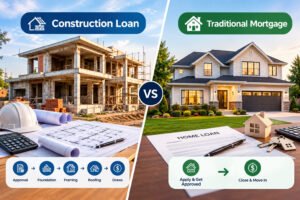
The biggest difference is the purpose of the financing.
A traditional mortgage is generally used to purchase or refinance an existing property, while construction financing is designed to fund construction or major improvements.
Construction financing can involve staged funding and a temporary construction period. A traditional mortgage generally finances a completed property and is repaid over a longer period.
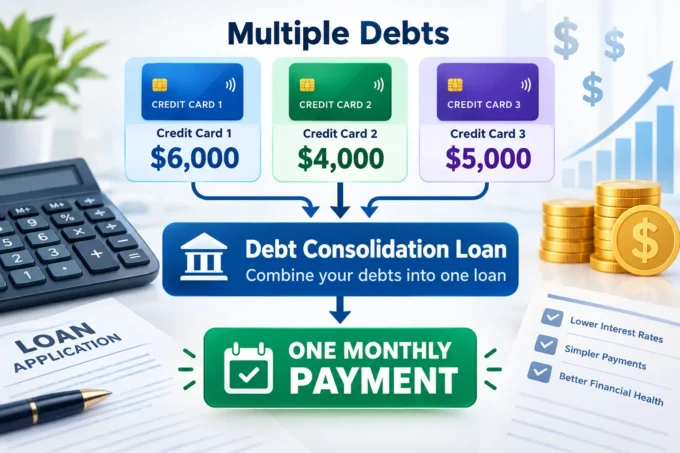
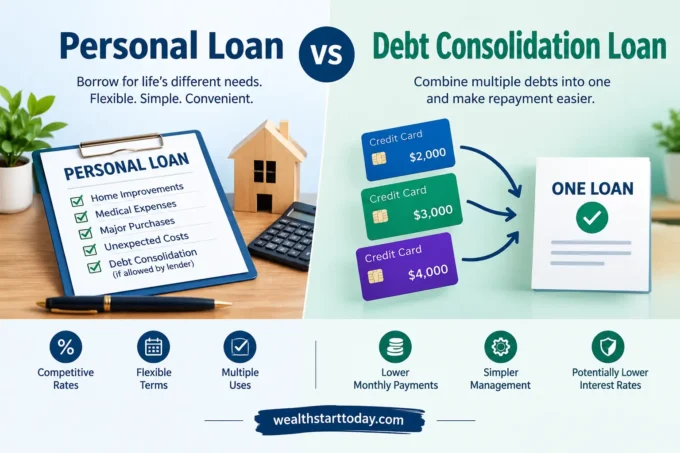
If you are already managing multiple debts while planning a new home, you can also learn how a Debt Consolidation Loan works before taking on additional debt.
Frequently Asked Questions About Construction Loans
Is a construction loan the same as a mortgage?
Not exactly. A construction loan is generally short-term financing designed to fund construction, while a traditional mortgage is generally long-term financing for an existing property. Some construction-to-permanent programs can transition into long-term mortgage financing.
Are construction loan rates higher?
They can be. Construction financing may carry higher interest rates than longer-term mortgage financing for an existing home. However, the actual rate depends on the lender, borrower, loan program, project, and market conditions.
How long does a construction loan last?
The construction period depends on the loan agreement, lender, and project. Some construction financing is designed to remain in place only during the building phase before permanent financing begins.
Always confirm the construction period and extension terms with your lender.
Can a construction loan pay for land?
Some construction-to-permanent programs may allow financing for the acquisition or refinancing of land along with construction, subject to the specific program’s requirements.
If you already own the land, ask the lender how its value or existing financing will be treated when calculating the construction financing.
What happens after construction is complete?
The answer depends on the type of loan.
With construction-to-permanent financing, the construction phase may transition into long-term mortgage financing. With construction-only financing, the borrower may need separate permanent financing or another method of repaying the construction balance.
Conclusion
A Construction Loan can help finance the process of building a new home, but it works differently from a traditional mortgage. Instead of financing an already-completed property, construction financing can provide funds during different stages of the building process.
Before applying, consider the interest rate, total fees, draw schedule, construction timeline, contractor requirements, and permanent financing options. If you are comparing construction-to-permanent and construction-only financing, make sure you understand what happens when construction ends.
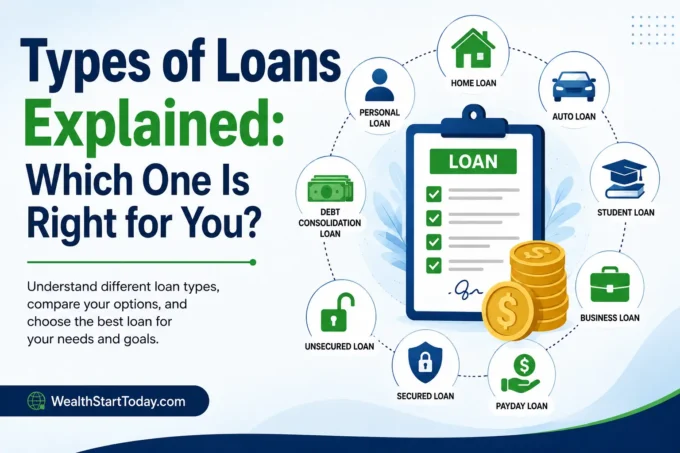
A realistic construction budget, detailed project plan, and clear understanding of the loan terms can help you prepare for the financial responsibilities involved in building a home. Most importantly, compare multiple lenders and review the complete terms before signing a construction loan agreement. If you want to know to types of loans so please click here.










1 Comment